The Gameplay Ability System ( GAS ) is the Unreal Engine plugin for abilities, stats and status effects. It is what you reach for when a character needs health that replicates, an attack that costs stamina, a stun that blocks other actions, and all of that working over the network without you writing the prediction code yourself.
The plugin is built from a small set of classes. UAbilitySystemComponent is the hub that every character owns, and it holds everything else: UGameplayAbility for the actions, UAttributeSet for the stats, UGameplayEffect for anything that changes a stat or stays on a character over time, and UGameplayTask for the waiting an ability does while a montage plays or an attribute changes ( the ability tasks derive from it ). An effect travels as an FGameplayEffectSpec, which is the built copy of that effect carrying its level and its captured attributes, and Gameplay Tags gate which of these are allowed to run at all.
If you came here looking for Epic's own reference, that is the official Gameplay Ability System documentation. This page is not it. It is thin in places, which is exactly why this page exists: these are the notes I have written while building GAS combat and RPG systems on shipped games like Lords of the Fallen and Killsquad.
Start with Introduction to GAS: The Six Pieces of Unreal's Gameplay Ability System if what you are missing is the map. After that the posts below go one piece at a time: attribute sets, gameplay effect durations and components, ability instancing policies, the ability tasks you use inside an ability, and the one-shot GiveAbilityAndActivateOnce pattern. I also keep a list of the GAS resources I actually recommend, Epic's own docs and the community ones included.
The map first, then where to go when you want more than my take on it.
The six pieces of GAS, how one attack flows through them, and three rules that prevent most GAS bugs.
Unreal Gameplay Ability System is not well documented. Here are some useful resources for GAS.
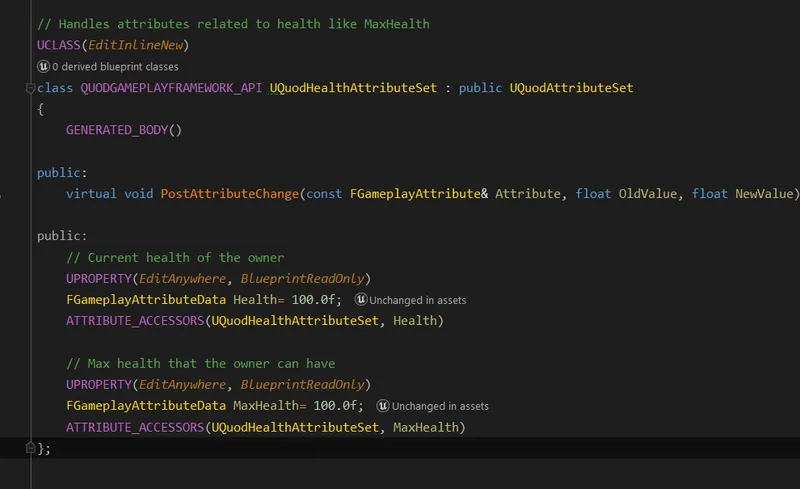
Gameplay Ability System Documentation on how to create Attribute Sets to hold your character stats
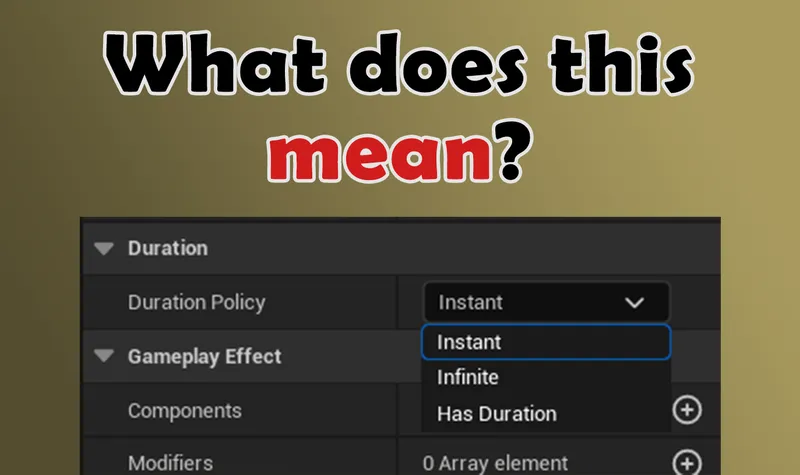
Instant vs Has Duration vs Infinite
The built-in Gameplay Effect Components, plus how duration and stacking work.
Create the definitive poison swamp that every souls-like needs!
If only one number changes you want an MMC, no matter how complex the formula. Only a hit that writes many attributes needs an execution.
So many instancing types!
Don't wait a Delay to Play your Montages, use Gameplay Ability Tasks
Grant an ability, activate it once, and let GAS remove the spec by itself.
Montage_Play works on your screen and nowhere else. The ASC is the one that tells everybody else.
Storing state in Gameplay Tags makes it easier to store state and create interesting gameplay
A buffered press is simply a struct, a gate tag and one drain function that an anim notify state calls.
The dodge ability grants no invulnerability at all. A notify on the montage does it, and you get perfect dodges almost for free.
Dodge chance is a GAS attribute, pressure is a stacking effect on top of it, and the AI simply rolls dice.
No root motion in the clip. The task builds the motion from plain numbers and hands it to the movement component, the animation is just cosmetic.