Technical due diligence · for game publishers
You are about to put real money behind a vertical slice. I read the studio's codebase, builds and process before you sign, and I answer the questions the deal actually depends on: will it ship on that schedule, what breaks first, and what it costs to fix. Written report and readout inside 10 business days.
$7,500 flat · one title · report in 10 business days
Confidential. NDA before you even name the studio.

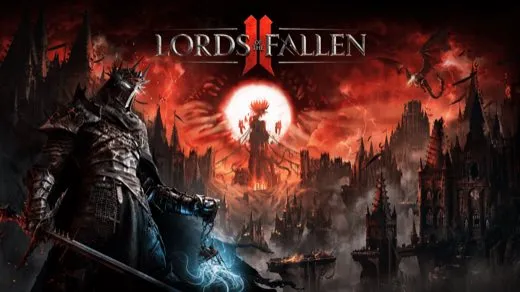
Quod Soler · Lead Gameplay Programmer on Lords of the Fallen ( Hexworks )
11 shipped games · 10 years, AAA and indie · Unreal Engine, GAS and combat systems ·1,050+ devs read my weekly breakdowns
Your lawyers check the contract. Your finance people check the studio's books. The thing the whole schedule stands on, the codebase, usually gets a demo and a pitch deck: publisher greenlight checklists cover concept, market, team and progress, and reading the code is usually not on the list. This read closes that gap, and it answers in money terms, not in code terms.
A vertical slice proves the team can build 40 great minutes. It says nothing about whether the architecture under it survives two more years of content. I look at what is still to build and tell you if the last 20% is really 20%.
Pitch decks love the words "proprietary framework". Sometimes that is real technology, and sometimes it is tape. The difference is worth months of schedule, and it is invisible in a demo.
In small studios it is common that one person holds the whole project in their head. The org chart will not show you that risk. I check how much of the project exists only in that head, and how much is written down.
The port "planned for three months" is where funded projects quietly lose their margin. Memory budgets, performance headroom and platform assumptions are readable in the code long before certification reads them for you.
GPL code, marketplace assets with unclear licenses, code copied from other projects. Your lawyers can not find this, because it lives in the source tree. It is the kind of exposure that surfaces at the worst possible moment.
A milestone build can demo well while the project under it rots. I tell you whether the milestones in your contract can actually be verified from what the studio delivers, and how to check each one.
The report is written for the person who signs, not for a programmer. Every risk is scored with the evidence next to it, so nobody has to take my word for anything. The cost to fix is estimated in engineer-months, so it can be priced into the deal instead of discovered after it.
The first page is the red-flag page: the findings I would renegotiate over, ranked, written for the person who will not read the other thirty pages. If your committee needs a document to argue from, this is that document.
After the report, a 90-minute recorded readout with your team. And the report does not sell you anything: it is written so any senior engineer can execute the remediation without me.
Book a 20-minute scoping callYou describe the deal shape and the deadline, no names needed. NDA before you name the studio, if you prefer. I tell you honestly whether I am the right reader for this codebase and declare any conflict on the spot.
Repo, builds, CI and branch history, and up to two hours with the technical leads. Less access is workable; I will tell you upfront what it costs in confidence.
Architecture, gameplay systems, performance, replication, content pipeline, build and release health, dependencies, and how the team actually works.
The written report, then 90 minutes with your team, recorded, questions argued. Bring your lawyers, bring their CTO, I do not mind.
Your side's total effort: about an hour to grant access, plus two hours of the studio's leads. If I get into the data room and find this is not a codebase I can judge at full depth, I tell you within 48 hours and refund in full.
$7,500 flat · report in 10 business days
The full read above. One title, one codebase, everything included. The fee does not change if the repo turns out to be ugly, and there is no hourly meter behind it.
For calibration: across 100+ publishing agreements reviewed by Voyer Law, the median advance is $300,000 and almost 80% of deals wire it against milestones. This read is 2.5% of that, once. Due diligence firms quote $15,000 to $40,000 for the same window, and their reader has usually never shipped a game.
If the deal has a shorter clock: 5 business days for $10,000, one deal at a time, subject to the calendar.
$2,000 per check · scheduled against your milestones
Signing is not where the risk ends. You will wire money against milestones for the next two years, and a milestone build can demo well while the project under it rots. A health check is a short repeat read: what changed since last time, whether the build proves the work, whether the schedule is still real.
You get a two-page note per check, in the same money terms as the report. Most publishers run one per milestone, or one per quarter per funded title.
I have shipped 11 games in ten years, on AAA and indie budgets, with teams from two people to two hundred. Right now I am Lead Gameplay Programmer on Lords of the Fallen at Hexworks. My home ground is Unreal Engine: combat systems, the Gameplay Ability System ( GAS ), C++ architecture and performance.
I have spent those ten years on the studio side of publisher deals, building the milestone builds publishers sign off on. So I know exactly what a milestone build shows, and what it does not.
If you want to audit my judgment before paying for it, it is public: 1,050+ Unreal developers read my weekly technical breakdowns, and I lecture on game development at two universities in Barcelona. More about me, or find me on LinkedIn.
No stake in the deal, either way. The fee is flat, there is no success fee, and no follow-on services are sold inside the report. If the code is good, the report says so. If it is bad, the report says so. That is the product.
It does a political job too, and it is fine to say it. When your own people flag problems in a partner's code, it strains a relationship you need. When an outside reader does it, it is due diligence. Your team keeps the relationship, you still get the truth, and the studio gets findings they can act on instead of an argument.
What I will not give you is a rubber stamp. If what you need is a yes for a deal you have already decided on, do not hire me.
A DD firm quotes $15,000 to $40,000 and sends a generalist who reads the CI config, counts the tests and grades the documentation. All useful, and none of it answers the question you are paying to answer: can this codebase carry this game for two more years? That read takes someone who has shipped on the engine, not someone who audits software in general.
NDA before anything moves, before the studio is named if you prefer. If the target conflicts with work I am already committed to, I tell you at scoping and decline; nothing from one project ever crosses into another. Discretion runs both ways: I will not confirm to anyone that a read happened.
Common, and workable in two stages: everything except the code first ( builds, process, interviews, pipeline ), the code read after the LOI. The fee splits to match the stages.
Keep doing that, it catches real things. What a build can not show is what it was built on. Schedule risk, key-person risk and licensing exposure live in the repo and in the team's process, and the only way to read them is to go in and read them.
Less than you would think. The read arrives as standard diligence, the same way your lawyers arrive, and the access is read-only: nothing leaves their environment. Good teams tend to prefer a reader who has shipped on their engine over a generalist grading their documentation, and the findings are written so their own engineers can act on them. Some studios even commission the sell-side version of this read on themselves before a pitch.
Then I am probably not your reader, and I will say so at the scoping call. My depth is Unreal; on Unity or a custom engine you would be paying for a shallower read, and I do not sell those. You lose twenty minutes, not the fee.
Yes, and that is the better way to use it. The publishers this works best for keep me as a standing reader: the pre-signing read on new deals, milestone checks on the funded ones. One full read at a time is a real capacity limit, so a heads-up before the deal clock starts is worth a lot.
Payment at engagement start, with a proper invoice from a registered business in Spain. For clients outside the EU ( including the US ) there is no European VAT on top. EU businesses with a VAT number usually fall under reverse charge, and Spanish clients have IVA added on the invoice.
Legal and IP ownership, financials, market fit, and whether the game is fun. It covers whether the technology and the team can deliver what the deal assumes, and what it costs to fix where they can not.
Twenty minutes, confidential, and I will tell you honestly whether this is a read I should take. If it is not, you lose twenty minutes, not a fee. No live deal yet is also a fine reason to talk: most publishers want the reader on the bench before the clock starts.
Prices are in US dollars, invoiced from Spain. Unreal Engine is a trademark of Epic Games, Inc. This site is not endorsed by or affiliated with Epic Games.